

At COP31 in Antalya, leading Earth-system scientist Johan Rockström presented a stark assessment of the state of the planet. Global warming is accelerating, natural systems are showing signs of declining resilience and the world is rapidly approaching climate tipping points that could fundamentally alter the conditions for life on Earth.
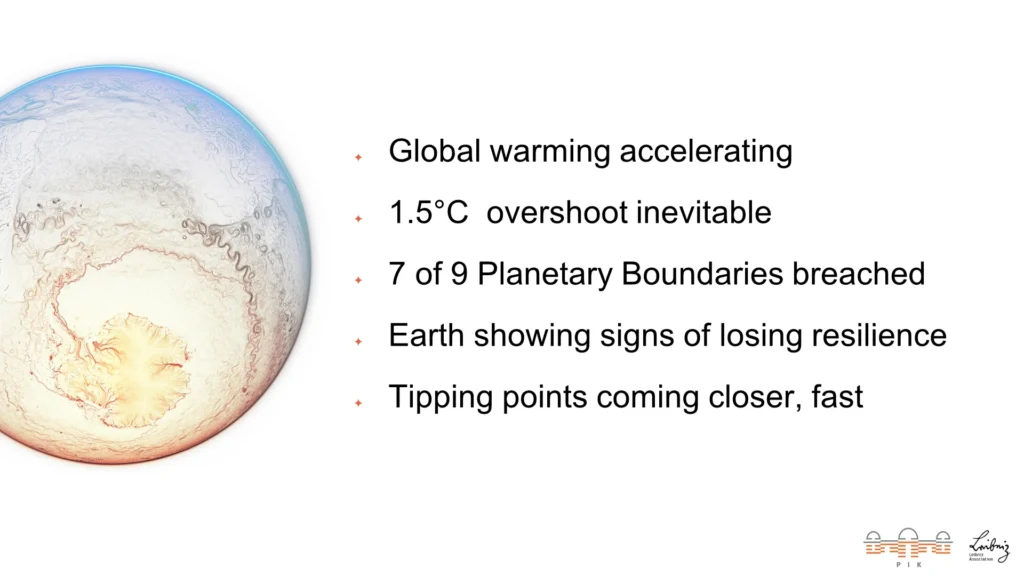
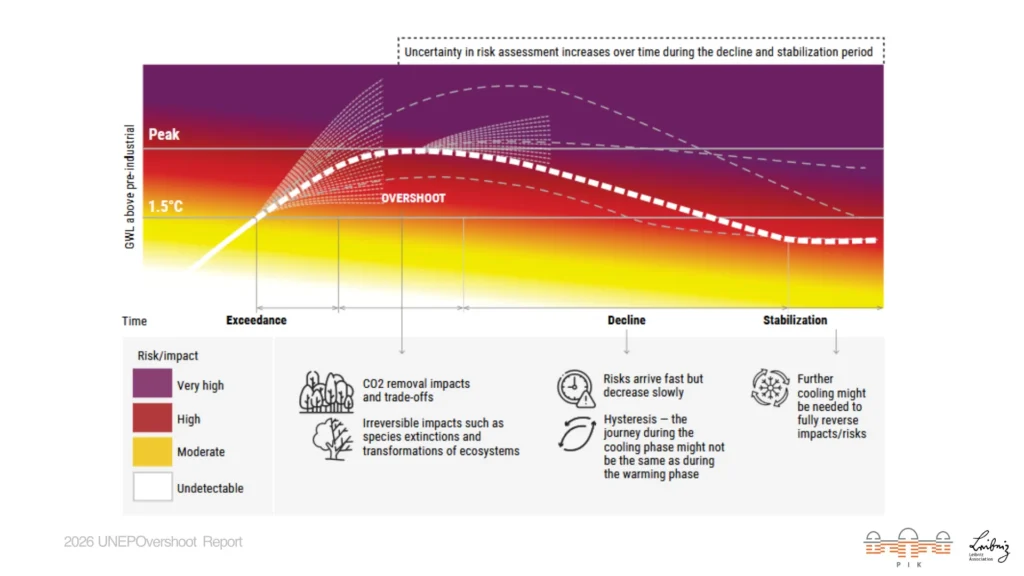
Speaking on 16 November 2026, Rockström, Director of the Potsdam Institute for Climate Impact Research (PIK), warned that the climate crisis is entering a new and more dangerous phase. Humanity is approaching an overshoot of the 1.5°C warming limit, seven of the nine planetary boundaries have been breached and the capacity of natural systems to buffer the impacts of human activity is under growing pressure.
His presentation, Science Update in a Rapidly Changing World: Avoiding Tipping Points and Managing Overshoot, brought together recent findings on accelerating warming, Earth’s energy imbalance, tipping-point risks, carbon sinks and the increasingly difficult pathways towards climate stabilisation.
Below is the full slide deck sent by the press team at the Potsdam Institute – the slides in video above were not the exact slides shown in the presentation:
Professor Johan Rockstöm’s COP31 Presentation Slides (supplied by PIK)
Mix images, text, buttons and more.
Each group becomes one slide.
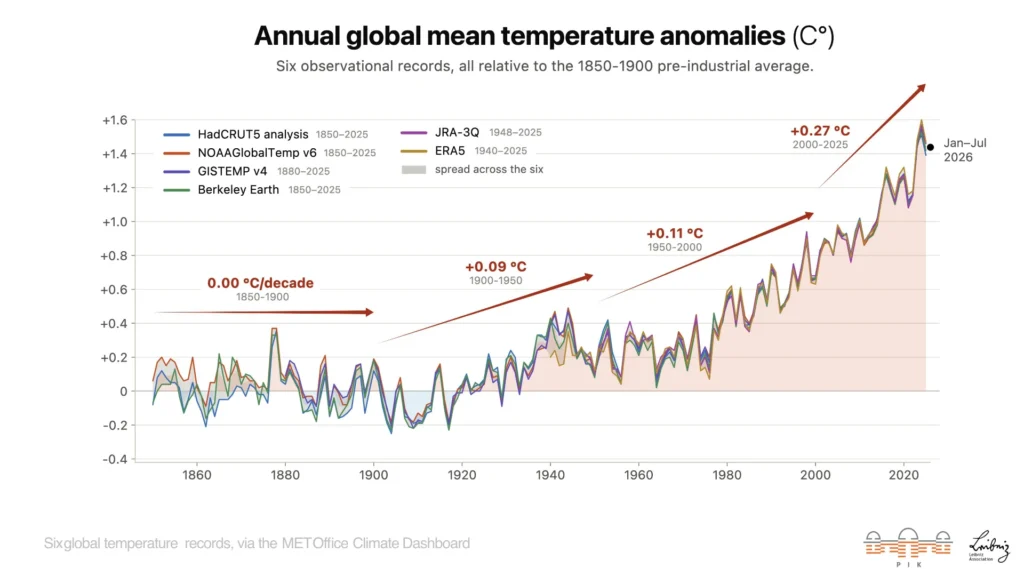
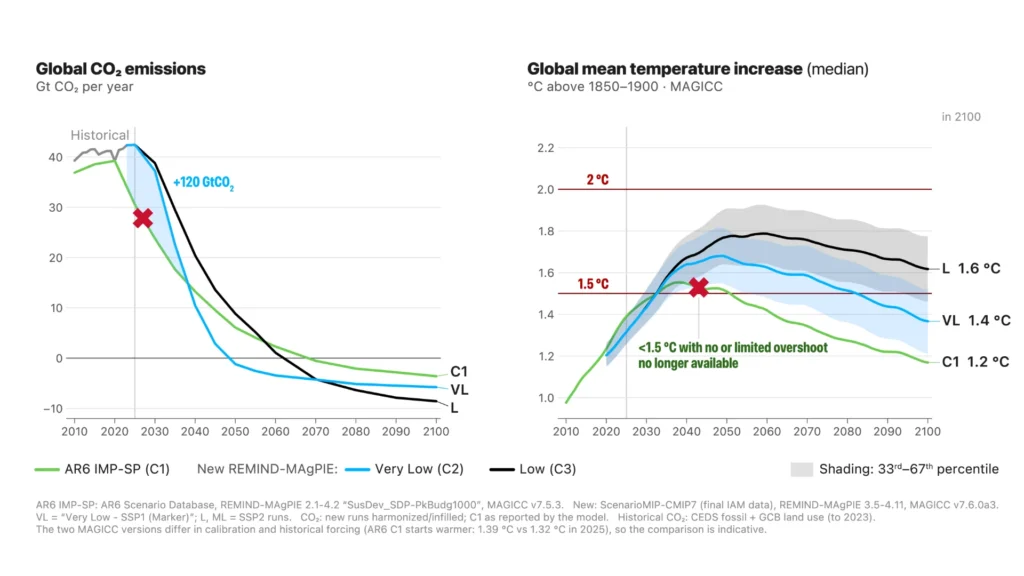
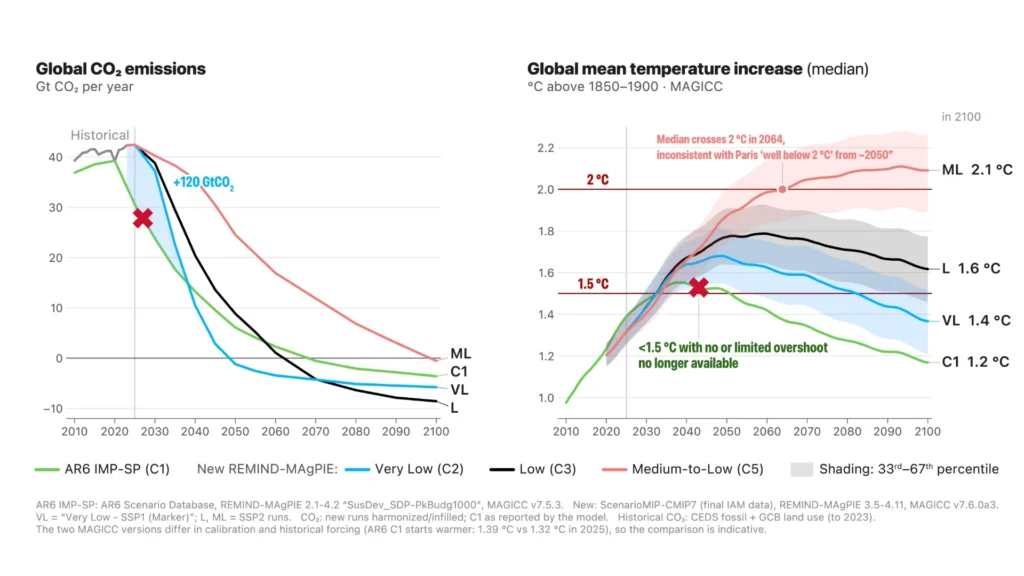
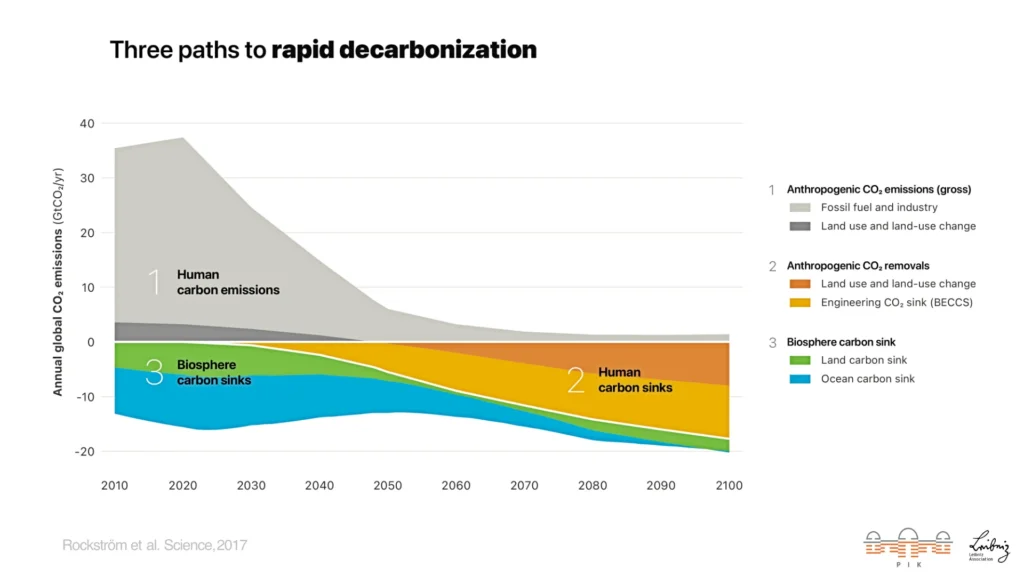
Global warming is accelerating
One of Rockström’s central warnings concerns the acceleration in global temperatures.
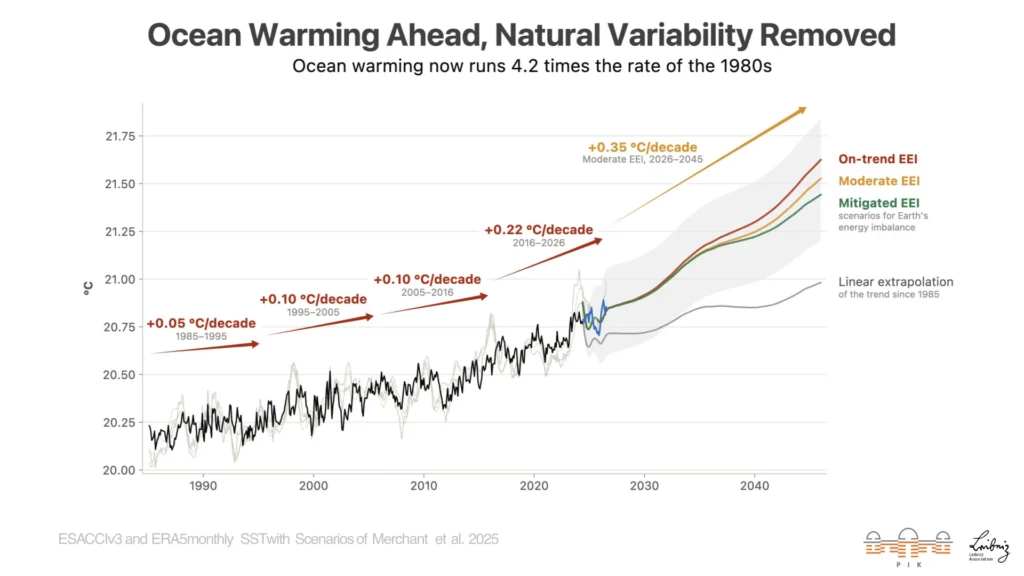
Presenting a graph of historical temperature change, he contrasted an earlier warming trend of approximately 0.11°C per decade, from 1970 to the early 2000s in the data he presented, with a rate of warming that he said had more than doubled over the past decade.
For Rockström, this acceleration raises questions about the changing behaviour of the Earth system.
Greenhouse gas emissions remain the principal driver of human-caused climate change, but Rockström argued that the recent acceleration cannot be explained by changes in greenhouse gas forcing alone.
He pointed towards the growing importance of feedbacks within the climate system, including changes in the oceans, forests and Earth’s reflectivity.
The oceans are also experiencing rapid warming. Rockström highlighted sea surface temperature increases reaching approximately 0.3°C per decade, adding to concerns about marine ecosystems, extreme weather and the future of tropical coral reefs.
Seven of sixteen climate indicators at record extremes
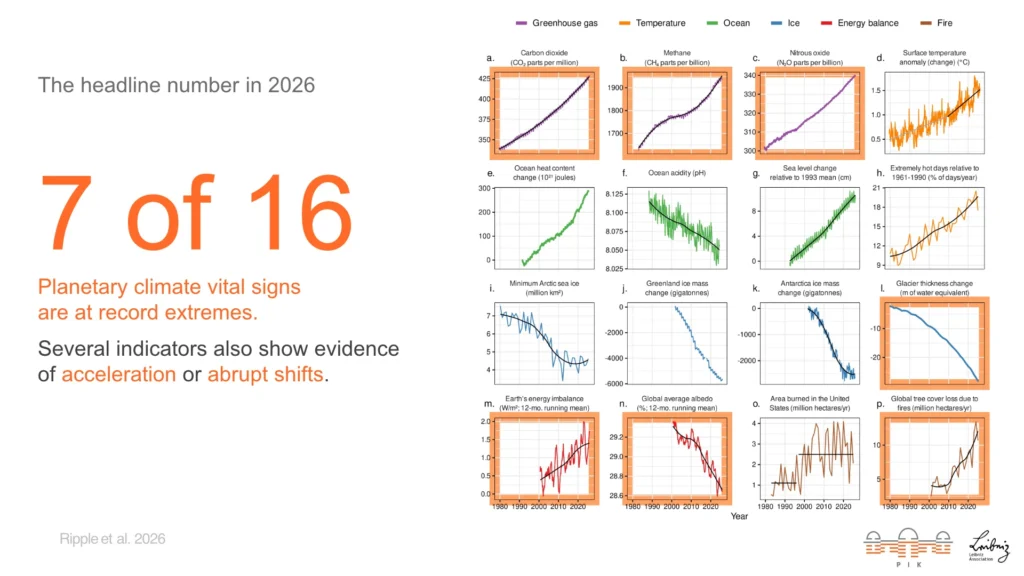
Rockström drew attention to the 2026 State of the Climate update, which identified seven of sixteen key indicators reaching record levels.
These include trends associated with atmospheric greenhouse gases, glaciers, forest cover and Earth’s energy imbalance.
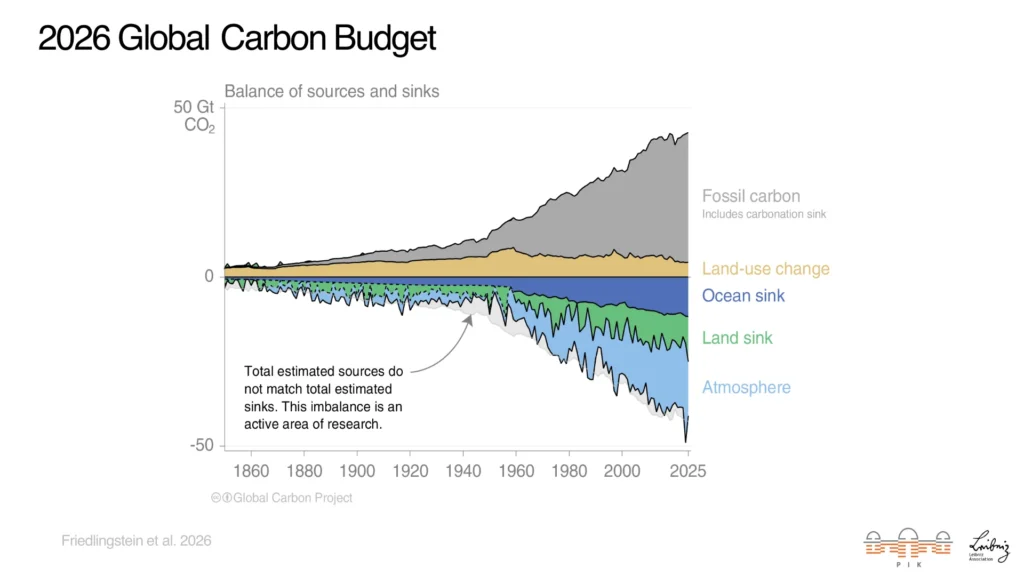
Concentrations of carbon dioxide, methane and nitrous oxide continue to rise. Glaciers are shrinking, in some cases at accelerating rates, while changes in forests threaten the capacity of terrestrial ecosystems to absorb atmospheric carbon.
He also highlighted changes in planetary reflectivity. As ice disappears and vegetation patterns shift, the amount of solar energy absorbed by Earth’s surface changes, potentially reinforcing warming.
But Rockström singled out Earth’s energy imbalance as perhaps the most concerning indicator.
This measures the difference between the energy entering the Earth system and the energy escaping back into space. A growing positive imbalance means the planet is continuing to accumulate heat.
The implications extend beyond today’s measured temperatures, because accumulated heat contributes to continuing changes across the oceans, atmosphere and cryosphere.
Humanity’s journey: a narrowing corridor of safety
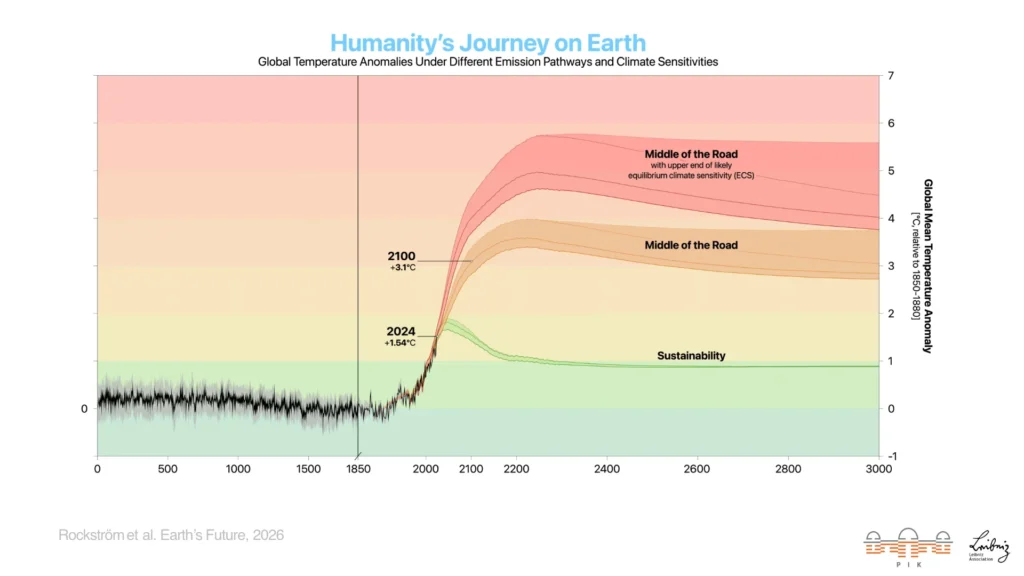
Looking beyond the immediate climate crisis, Rockström presented modelling extending to the year 3000.
The graphic, titled Humanity’s Journey on Earth, contrasts pathways in which warming is rapidly constrained with trajectories that could leave the planet at persistently elevated temperatures for centuries.
Rockström described the possibility of returning towards what he calls the ‘corridor of life’: the relatively stable climatic conditions within which human civilisation developed following the last ice age.
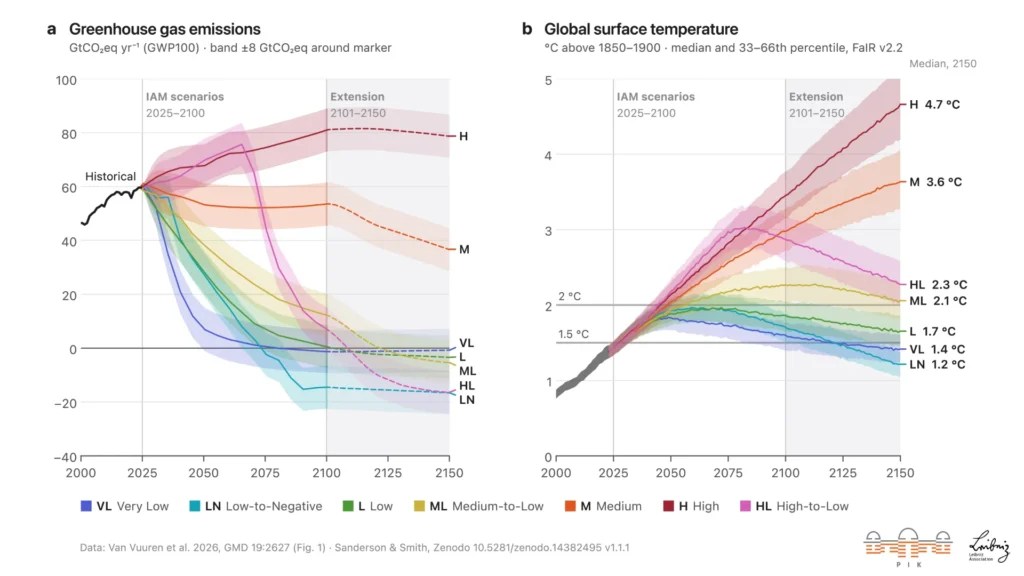
But he warned that continuing along current high-warming trajectories could lead towards approximately 3°C by the end of the century, with consequences that become increasingly difficult to reverse.
Under a scenario in which the recent acceleration of warming persists, temperatures could climb even higher.
The central concern is not simply how warm the planet becomes in 2100, but whether the Earth system can eventually return towards a stable climate.
Climate tipping points are approaching
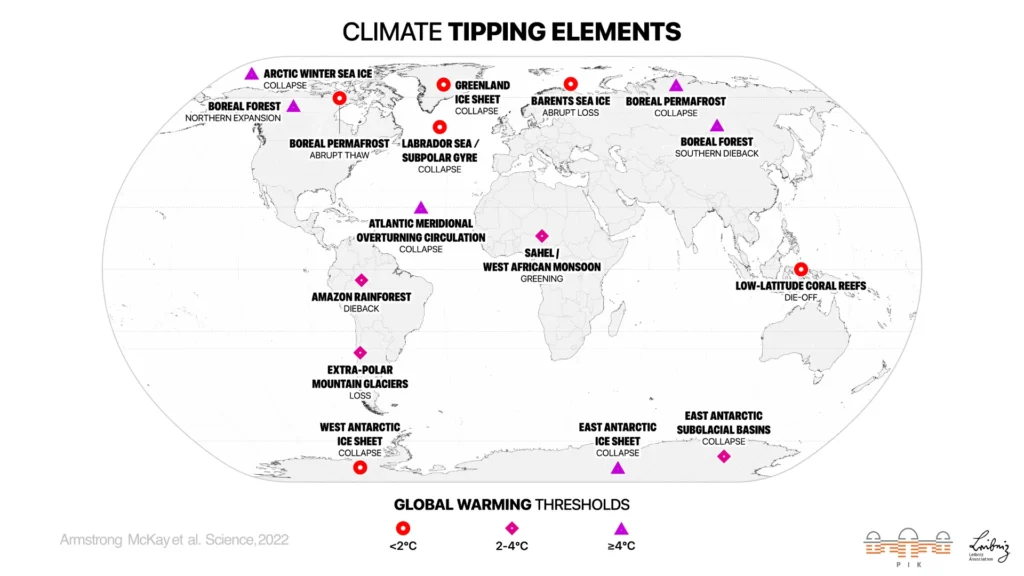
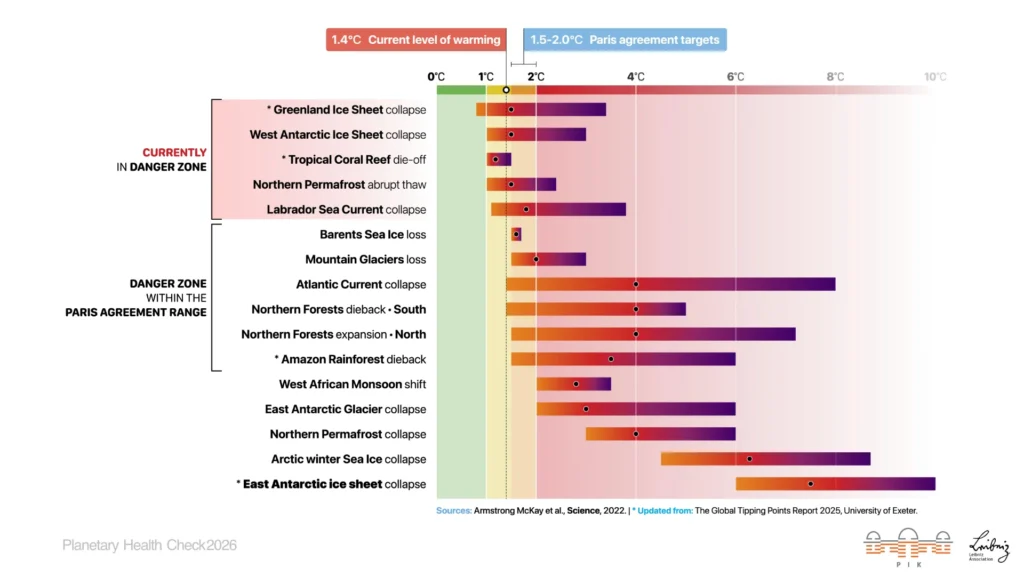
Rockström identified sixteen major climate tipping elements: components of the Earth system that could undergo profound and potentially self-reinforcing changes after crossing critical thresholds.
These include the Greenland and West Antarctic ice sheets, tropical coral reef systems, permafrost regions and the Amazon rainforest.
He emphasised that several tipping elements may be vulnerable within the range of 1°C to 2°C of global warming.
Particular attention was given to the Amazon.
Rockström explained that earlier assessments placed the temperature risk for Amazon tipping at approximately 3°C. However, when deforestation, biodiversity loss and changes in regional hydrology are considered together, he argued that the threshold could be substantially lower, potentially within the range of 1.5°C to 1.9°C.
The Amazon is not only the world’s largest tropical rainforest but also a vast carbon store. Its destabilisation could have consequences for regional rainfall, biodiversity and the global carbon cycle.
For Rockström, this illustrates why the 1.5°C limit matters.
It is not simply a negotiating target. It represents an attempt to reduce the risk of crossing thresholds beyond which parts of the Earth system may become increasingly difficult to stabilise.