


The Amazon rainforest is burning at an unprecedented scale, devastating biodiversity, Indigenous lands, and accelerating the global climate crisis. In Brazil alone, fires have already consumed 5.4 million hectares, with record-breaking blazes in Bolivia and Peru.
In August, the Brazilian Amazon saw its highest number of fires in 20 years, transforming the region into the world’s largest CO2 emitter and amplifying extreme droughts.
The situation is dire. Though deforestation rates have slightly declined, severe droughts and fires continue to ravage wildlife and threaten Indigenous communities who rely on this fragile ecosystem. In Brazil, fires on Indigenous lands surged by 39% from 2023 to 2024, burning over 1.3 million hectares. In Peru, more than 87 Indigenous territories have been affected. Unlike previous years, fires are now spreading into primary forests, driven by both climate change and human activities like logging, mining, and agriculture.
Indigenous Activists Facing Violence
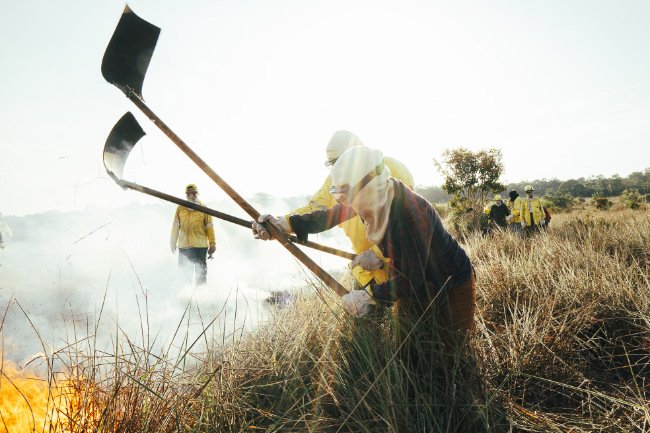
Indigenous Earth Defenders, who protect and rely on the Amazon, face escalating violence—one in five murders of environmental defenders worldwide occurs here. Meanwhile, the Amazon is increasingly a battleground for organized crime, fueling the cycle of destruction.

Amazon Watch, alongside Indigenous communities, is urging Amazonian governments and the international community to take immediate action. In Brazil, President Lula must fulfill his promise to demarcate Indigenous lands and push back against destructive industries. In Peru and Bolivia, the expansion of agribusiness and illegal economies must be curbed to protect the forest from further devastation.
The Amazon’s destruction is pushing the world toward a climate tipping point. As one of Earth’s most crucial ecosystems, its survival impacts us all, but it’s Indigenous communities who are bearing the brunt of this unfolding crisis.
Leila Salazar-López, Executive Director of Amazon Watch stated:
“It is truly devastating to once again see fires raging across South America’s most vital ecosystems – the Amazon rainforest, Cerrado tropical savannah, Pantanal wetlands, and the Gran Chaco – threatening communities, biodiversity, and our global climate. This is a climate, environmental, and humanitarian emergency that must be addressed with urgent and immediate action by national and global governments at next week’s UN General Assembly and Climate Week in New York. Failure to act swiftly, brings the Amazon closer to a tipping point, threatening all of our climate future.
In response, as we did in 2019, Amazon Watch has created an Amazon Fire Response Fund to support Indigenous Fire Brigades, respond to emergency humanitarian relief requests from affected Indigenous and traditional communities including their efforts to advance Indigenous land rights and challenge destructive development projects in key areas.”